Discover Roof Lights for Modern Roofing Design
Transform Your Interior: A Comprehensive Guide to Finding the Right Rooflight
In urban environments, making the most of natural light can significantly impact the atmosphere of a property. Rooflights offer various benefits, from improving mood to increasing property value. This article copyrightines essential elements to take into account when selecting the ideal rooflight. It copyrightines styles, construction materials, and installation strategies that can transform interiors. Understanding these elements is crucial for arriving at educated decisions. Still, there is much more to uncover; valuable information on fitting and maintenance is yet to come.
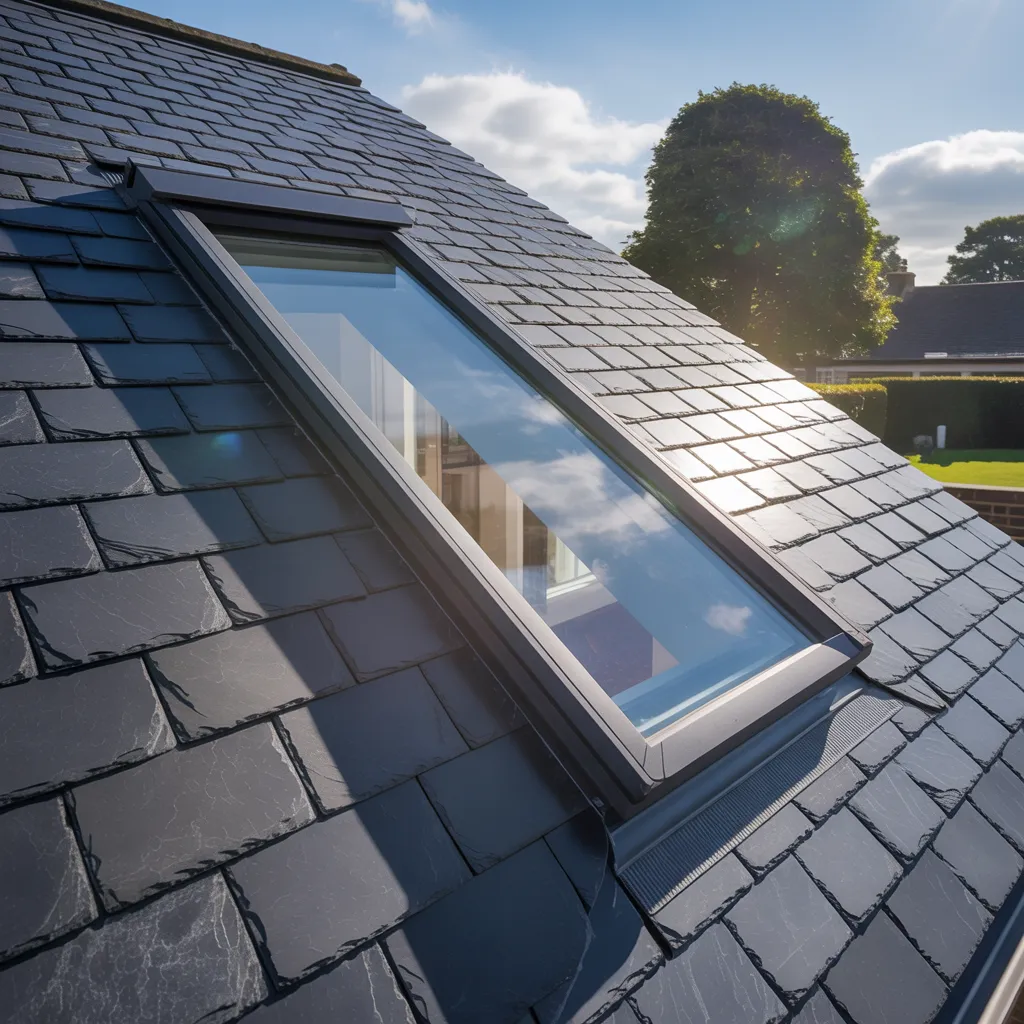
Understanding the Benefits of Rooflights
Natural light acts as a transformative force in any interior, and rooflights offer an effective solution to make the most of it. By allowing sunlight to flood into interiors, rooflights elevate the ambience, fostering a sense of openness and spaciousness. This flow of natural light can considerably enhance mood and productivity, making spaces feel more inviting.
Moreover, rooflights contribute to energy efficiency by reducing the need for artificial lighting during daylight hours. This not only decreases electricity costs but also lessens environmental impact. Expertly installed rooflights can improve ventilation, facilitating better air circulation and enhancing indoor air quality.
In addition, they can function as striking design features, adding visual interest and added value to a home. In essence, the advantages of rooflight installations extend beyond mere lighting purposes; they enrich the overall residential experience and support a more sustainable and healthier environment.
Rooflight Types and Designs
When picking out the ideal rooflight, one must consider the range of styles and designs on offer, as each option can significantly impact both aesthetics and functionality. Common choices include fixed rooflights, which offer a clean, modern appearance, and opening rooflights that enable fresh air circulation in addition to natural illumination. Sloped skylights, typically larger in size, can serve as a striking centrepiece within a space.
Additionally, lantern rooflights showcase a multifaceted design that enriches architectural interest while increasing sunlight. For classic homes, curved or vaulted rooflights can enhance classic styles, offering a balance of functionality and style.
Additionally, contemporary designs frequently feature frameless configurations, establishing a fluid transition between interior and exterior areas. Each design choice delivers specific strengths, making it crucial to select an option that complements the overall aesthetic while addressing particular lighting requirements.
Choosing Sturdy and Attractive Materials for Your Rooflight
Picking the correct components for a rooflight not only affects its resilience but also its aesthetic charm. Widely used materials encompass glass, polycarbonate, and acrylic, with each delivering unique benefits. Superior tempered or laminated glass is favored for its durability and transparency, permitting natural light to stream inside while offering outstanding insulation. Polycarbonate, by contrast, is durable yet lightweight, making it suitable for areas prone to harsh weather conditions. Its UV-protective properties helps maintain clarity over time, enhancing both durability and aesthetics. Acrylic is another option, valued for its affordability and versatility, though it is more susceptible to scratches compared to glass. When selecting materials, one should also consider frame options, such as metal or timber, which can add to the overall look while maintaining structural strength. At the end of the day, the correct blend of materials will improve both the practicality and visual appeal of the rooflight.
How to Install Your Rooflight Without Hassle
Mounting a rooflight requires thorough preparation and implementation to secure a seamless incorporation within the existing structure. Initially, it is essential to inspect the condition of the roof and verify that it can bear the installation. Precise sizing of both the rooflight and the aperture assist in avoiding any misalignment.
Next, trimming the roof framework must be carried out with precision, adhering to the guidelines provided by the manufacturer. It is strongly suggested to utilize covering materials to prevent debris from entering the home.
When the gap is prepared, the rooflight unit should be positioned and secured, confirming it is level and watertight. Adequate sealing with suitable flashing and materials will avoid water penetration.
Ultimately, interior detailing, like trim and plastering, must be carried out to produce a professional finish. Following these steps guarantees that the overhead glazing unit not only optimises light intake but also upholds structural soundness and aesthetic quality.
Where Should You Position Your Rooflight for Optimal Sunlight?
How can one determine the ideal placement for a rooflight to make the most of sun exposure? The direction the building faces is a key factor; southward-oriented rooflights typically capture the most sunlight throughout the day. In contrast, lights positioned to face east will receive early daylight, while lights oriented to the west benefit from afternoon rays.
The slope of the roofline also affects the amount of sunlight that enters; a steeper pitch could facilitate greater light penetration, especially during the winter season when the sun is lower in the sky. Furthermore, accounting for adjacent structures and foliage is critical, as they can create shade that limit light access.
Thoughtfully installing rooflights throughout spaces such as kitchens or lounge areas improves the flow of natural light, fostering a warmer and more appealing ambiance. In the end, considering these elements allows you to identify the ideal placement to capture the greatest amount of sunlight, creating a radiant and energising atmosphere.
Maintaining Your Rooflight: Upkeep Advice
Preserving a rooflight is crucial for ensuring its long-term effectiveness. Creating a regular cleaning routine reduces dirt accumulation, while routine inspections for deterioration ensure faults are corrected without delay. When prioritizing these care procedures, residents can take advantage of the rewards of their rooflight for years to come.
Routine Cleaning Schedule
Even though rooflights boost natural light and energy efficiency, they require a regular cleaning schedule to maintain their clarity and functionality. Dust, debris, and airborne pollutants can collect, hindering light transmission and compromising aesthetic appeal. It is advisable to clean rooflights at least twice a year, or at greater intervals in areas with significant pollen or pollution. Employing a soft cloth and a copyrightine now mild, non-abrasive solution keeps the surface free from scratches. When dealing with difficult-to-reach sections, a squeegee or extension pole can prove useful. Furthermore, inspecting for dirt accumulation after storms or strong winds supports timely maintenance. Consistent cleaning not only maintains visibility but also prolongs the lifespan of the rooflight, guaranteeing optimal performance.
Inspect for Damage
Routine cleaning is just one part of rooflight upkeep; copyrightining for damage is equally critical. Homeowners should conduct routine inspections to identify potential issues that could compromise the rooflight's integrity. This encompasses copyrightining for cracks, leaks, or any evidence of wear along the seals. Moreover, it is important to assess the frame and surrounding areas for rust, rot, or other forms of damage. Harsh weather conditions, especially storms, can worsen damage, making prompt inspections essential. If any issues are detected, addressing them promptly can prevent more extensive repairs and maintain the rooflight's effectiveness. Routine inspections not only extend the longevity of the rooflight but also ensure optimal natural light and airflow throughout the area.
Integrating Rooflights Into Your Home Design
Incorporating rooflights into residential design can considerably elevate both visual appeal and practicality. By enabling natural light to illuminate rooms, rooflights can create a sense of openness, making rooms feel larger and more inviting. Thoughtfully located rooflights can also enhance energy performance by minimising dependence on artificial light throughout the day.
When integrating rooflights, consider the design style of the home. Sleek or minimalist properties may benefit from sleek, minimalist options, while classic residences might require more elaborate installations. Location is critical; positioning rooflights above principal living spaces or hallways maximizes their impact.
In addition, incorporating rooflights with shading solutions, such as blinds or shutters, allows homeowners to regulate light and ensure privacy. This careful combination not only elevates the visual impact but also promotes a comfortable and energy-efficient living space. At their core, rooflights function as an impressive design feature that elegantly unites aesthetics and practicality.
Common Questions and Answers
What Are the Energy Efficiency Benefits of Rooflights?
Roof windows boost energy performance by harnessing natural daylight, reducing reliance on artificial lighting, and improving insulation. This contributes to decreased energy consumption, decreased utility expenses, and a smaller carbon footprint, contributing to an eco-friendly living space.
In What Ways Do Rooflights Impact Indoor Temperature Regulation?
Roof windows boost internal climate regulation by permitting natural light to flow in, minimising the need for artificial heating and cooling. This can lead to a more stable indoor climate, supporting comfort while potentially decreasing energy demands.
Are Rooflights Able to Help Lower Artificial Lighting Requirements?
Rooflights can significantly reduce artificial lighting needs by optimising natural light intake. This boosts indoor illumination during the daytime, permitting spaces to be well-lit without placing heavy demands on electric lighting, thereby promoting greater energy efficiency.
What Building Regulations Govern Rooflight Installations?
Building regulations for roof window installations commonly encompass structural soundness, heat retention standards, and safety standards. Compliance guarantees appropriate levels of daylight, air circulation, and reduced energy consumption while complying with local planning guidelines and construction regulations for residential or commercial properties.
Do Rooflights Present Any Safety Concerns?
Safety concerns associated with rooflights involve possible structural vulnerabilities, glass fractures, and incorrect installation. These concerns can cause accidents, moisture penetration, and reduced energy efficiency, requiring thorough consideration and expert installation to reduce hazards.